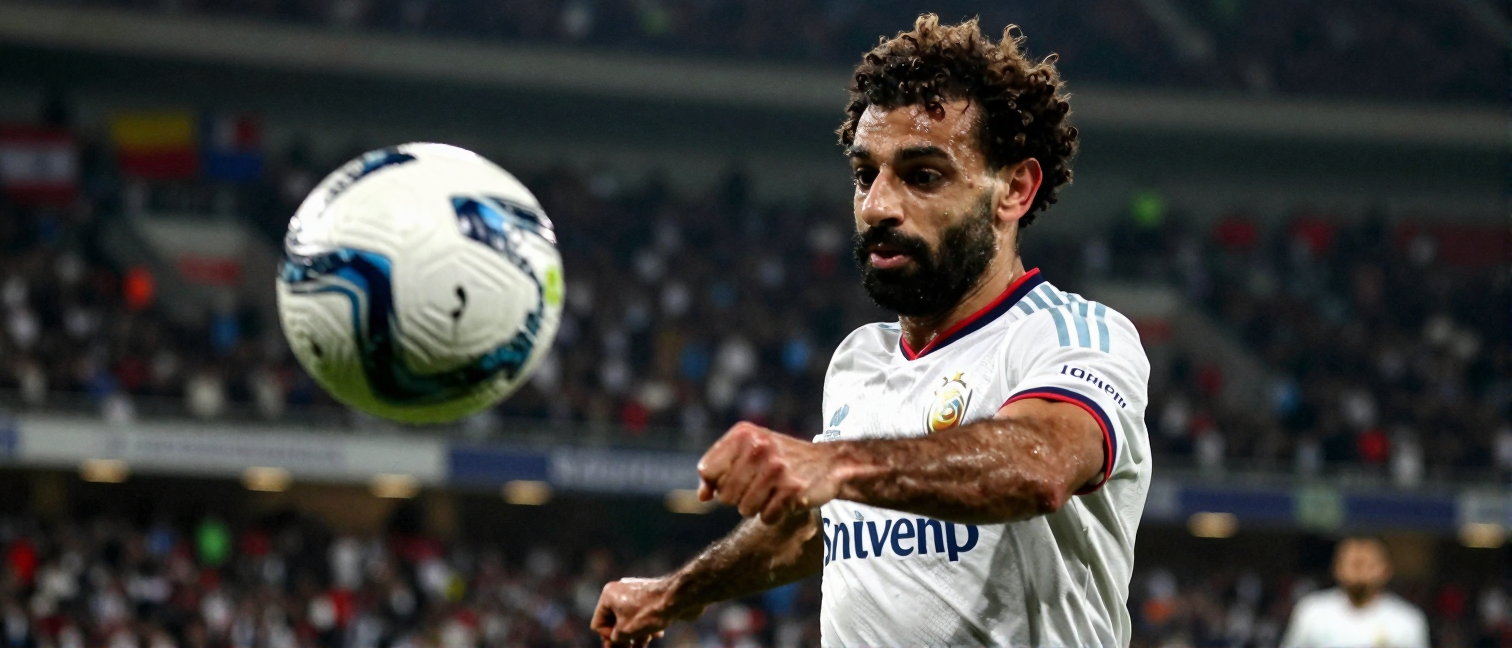
Mohamed Salah was at the centre of a heated penalty controversy on 23 Jun 2026 when Argentina edged Egypt 3‑2 in a World Cup knockout tie, and former referee Keith Hackett defended the on‑field decision that denied Salah a spot‑kick.
What happened?
In the 84th minute of the quarter‑final, Salah appeared to be brought down by Julian Alvarez inside the Argentine box. Egypt’s players and coach argued that a penalty should have been awarded, but referee Francois Letexier let play continue. Minutes later, Enzo Fernandes scored the winning goal for Argentina, sending the South Americans to the semis.
Why Keith Hackett’s analysis matters
Keith Hackett, former PGMOL chief and ex‑FIFA referee, gave an exclusive interview to Football Insider. He said Salah “manufactured contact” and praised Letexier as “one of the world’s very best officials”. Hackett’s endorsement carries weight because he oversaw refereeing standards for English professional leagues for over a decade. His view challenges the Egyptian camp’s claim that the match was “fixed”.
How the controversy affects Salah’s reputation
Salah, a Liverpool forward, has never been directly involved in a World Cup penalty dispute before. The incident adds a new chapter to his international career, already highlighted by his 2022 World Cup goal against Saudi Arabia. Critics now question whether his reputation for composure will survive the backlash from Egyptian fans who feel robbed of a historic quarter‑final berth.
What’s next for Egypt and Argentina?
Argentina will meet Switzerland on 28 Jun 2026 in the next quarter‑final, after a 0‑0 draw with Colombia and a 4‑3 shoot‑out win. Egypt, eliminated, must regroup ahead of the African Cup of Nations qualifiers later this year. The Egyptian Football Association has promised a formal request for a review, though FIFA’s regulations make overturning a referee’s call unlikely.
Broader implications for VAR and officiating
The incident reignites the debate over VAR’s role in high‑stakes matches. No VAR review was triggered despite visible contact, prompting calls for clearer protocols. If future World Cups adopt stricter VAR triggers, players like Salah could see fewer disputed non‑calls.
The episode underscores how a single moment can dominate headlines, especially when a global star such as Mohamed Salah is involved. Whether the controversy fades or fuels lasting reforms remains to be seen.